Solder Smoke and Chiptunes: The Women Quietly Holding the Retro Scene Together
Every cracked-open Game Boy at a retro convention has a story, and if you trace the solder traces back far enough, there's a decent chance the story involves a woman nobody put on the panel.
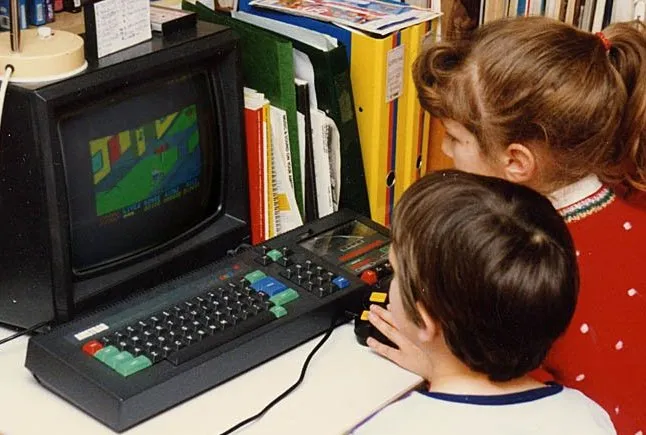
The popular mythology of retro tech goes something like this: boys in bedrooms, joystick in hand, growing up to become men with soldering irons. It's a tidy story. It's also wrong in ways that matter, because the machines we celebrate today are only alive because of a network of women who did the unglamorous, essential work while the spotlight pointed elsewhere.
The Original Engineers Never Left
Start at the beginning. The Atari era wasn't just built by women — some of its most foundational code was. Carol Shaw's River Raid wasn't a novelty; it was a masterpiece of cartridge design that defined a genre. Roberta Williams co-founded Sierra and built the adventure game industry's backbone. These weren't exceptions or tokens; they were architects. And when the industry later decided to market computers as boys' toys, it conveniently wrote them out of the brochure.
But here's the thing about women and vintage machines: while the myth said they weren't in the room, plenty of them were just in a different room — the one with the oscilloscope.
The Repair Economy's Quiet Backbone
Ask any serious collector where their working hardware came from, and somewhere in the chain you'll find a repair tech. The community of women doing board-level restoration — recapping Amigas, reflowing solder on Sega motherboards, rebuilding power supplies that haven't been manufactured since the Reagan administration — is substantial, skilled, and chronically under-credited.
These are people who learned their trade in IT departments, appliance repair shops, and engineering programs, then turned those skills toward keeping obsolete machines alive. They run YouTube channels teaching capacitor replacement to teenagers. They sell rebuilt hardware at cost because the goal was never the margin — it was the machine, running, in someone's hands.
Chiptune's Open Door
If there's one corner of the retro world where women's contributions are impossible to miss, it's chip music. The demoscene's LSDJ trackers, the Game Boy music community, the underground chiptune circuit — women artists have been central figures for decades, composing on hardware that most people wrote off as a toy and filling venues that the "boys' club" narrative never accounted for.
The hardware itself is a great leveler. A Game Boy running a tracker doesn't know who's holding it. It just plays what you program. And women programmed it brilliantly.
Why the Myth Persists
Part of the problem is who gets asked to be on stage. Convention panels, YouTube retrospectives, and documentary interviews have historically drawn from the same shallow pool of familiar faces. The women doing the restoration work tend to be heads-down at the bench, not heads-up at the mic. The fix isn't complicated: look at who's actually maintaining the machines, who's answering the repair forum threads, who's teaching the next generation to solder — and put them on the panel.
The Revival Belongs to Everyone Who Kept It Warm
The retro scene likes to tell itself a story about where it came from. But the truth is messier and better: the machines survived because a scattered, diverse network of obsessives — plenty of them women — refused to let them die. Every working C64 at a flea market, every chiptune set at a festival, every restored Vectrex glowing in a collector's den carries their fingerprints.
Next time you power on a machine that shouldn't still work, consider whose hands kept it breathing. The scene was never a boys' club. It just forgot to introduce half its members.