
Retro Tech & Culture
Your Sealed Game Boy Is a Crime Scene, Not a Collector's Item
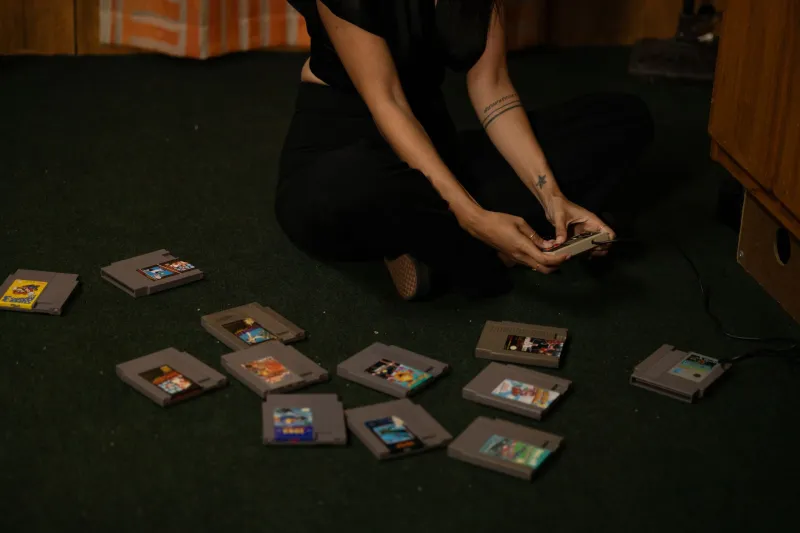
A mint-in-box NES isn't preserved — it's silenced. This is a case for fingerprints, worn buttons, and playing the dang thing before the shrink wrap outlives you.
Powering Up the Past, One Pixel at a Time
A mint-in-box NES isn't preserved — it's silenced. This is a case for fingerprints, worn buttons, and playing the dang thing before the shrink wrap outlives you.
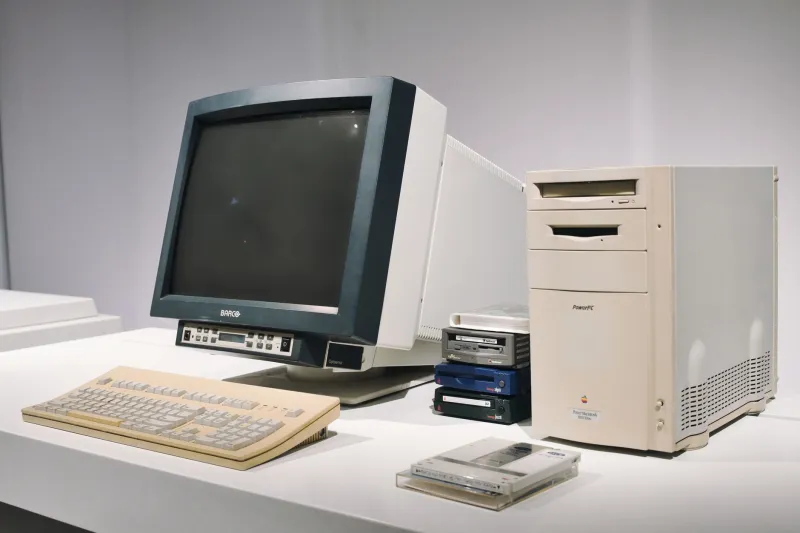
Three decades after Stunts and IndyCar Racing hit floppy disks, a stubborn band of Gen X gearheads is still logging laps, patching physics, and keeping multiplayer lobbies alive out of pure spite and love. Turns out the best driving sims ever made run on 4 megabytes of RAM and a prayer.

The American shopping mall wasn't just retail — it was a technology apprenticeship for an entire generation. From Sam Goody listening booths to the demo kiosk at Software Etc., here's what vanished when the food court went quiet, and why gadget nerds felt it worst.

Somewhere between 'casual hobbyist' and 'full-blown archivist,' a growing tribe of retro tech enthusiasts has decided that owning vintage hardware isn't enough — it must be documented, cataloged, and displayed with museum-grade precision. We went deep inside the obsessive, oddly therapeutic world of collectors who treat their Super Nintendos like priceless artifacts. Spoiler: some of them have better databases than your local library.
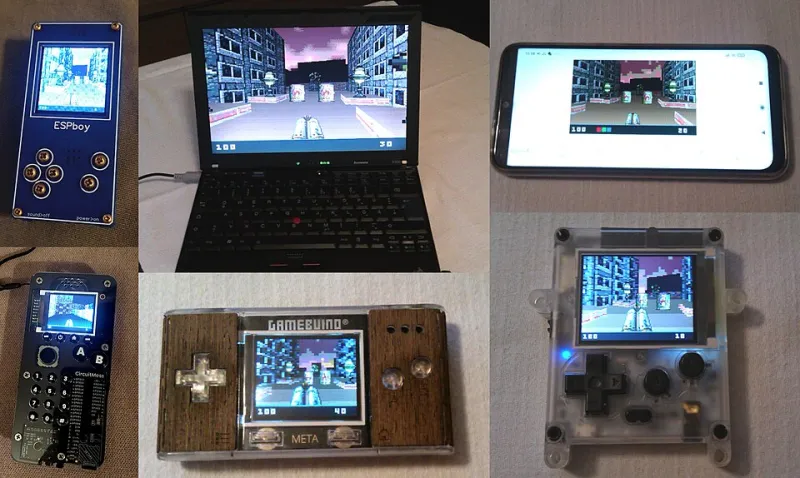
A dedicated and frankly slightly unhinged community of gamers is spending thousands of dollars to make their Super Nintendos and Sega Saturns output crisp, lag-free video to modern televisions — and the purists are absolutely furious about it. From FPGA clones to HDMI mods, the quest to play old games at modern performance standards has ignited one of retro gaming's spiciest debates. We dove in headfirst and came out with strong opinions and a lighter wallet.

In forgotten university basements, shuttered corporate campuses, and abandoned office parks across America, decades-old computers are quietly gathering dust — their hard drives still spinning, their floppy disks still loaded, their monitors frozen mid-task like digital Pompeiis. A scrappy underground community of urban explorers and tech historians is racing to document these time capsules before the bulldozers arrive. What they're finding is equal parts treasure hunt and cautionary tale.
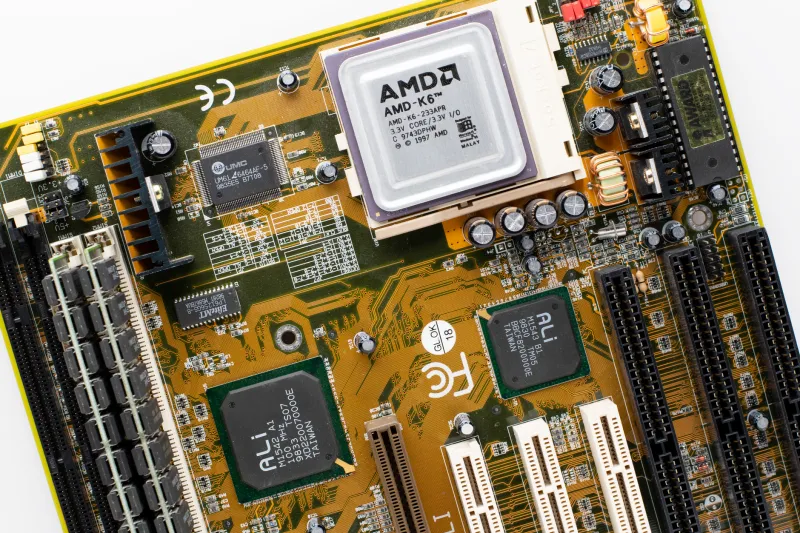
Forget shelling out $70 for a game you technically don't own. A growing army of millennials is pulling out the soldering irons, haunting eBay listings, and building custom retro gaming rigs that they actually, legally, philosophically own. It's part nostalgia trip, part political statement, and entirely too much fun.
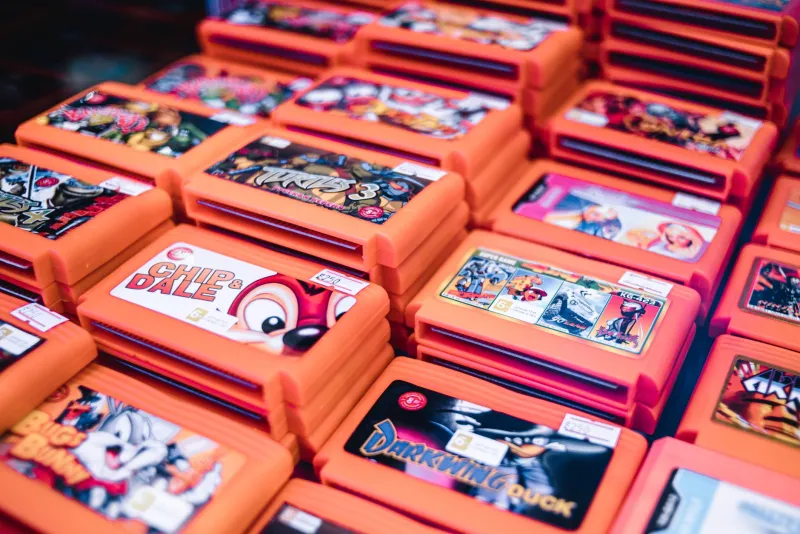
Ask ten retro gamers whether emulation is a legitimate way to experience classic games and you'll get ten answers, at least four arguments, and one person who will absolutely not stop talking about the importance of original hardware. The debate over ROMs, preservation, and what 'real' retro gaming even means has quietly become one of the most philosophically loaded conversations in gaming — and it's only getting messier.

Someone out there is selling a candle that smells like a warm CRT monitor, and people are buying it faster than a fresh cartridge at a garage sale. Welcome to the strange, surprisingly lucrative world of olfactory nostalgia — where the scent of a melting NES brings in real money and the memories of dial-up have apparently found their forever home inside a soy wax vessel.
It holds 1.44 megabytes. Your phone takes more data to load a single webpage. And yet the floppy disk — clinically dead since the early 2000s — has somehow become the totemic object of a generation pushing back against cloud dependency, subscription culture, and the quiet erosion of digital ownership. We looked into it, and honestly? The logic holds up.
Somewhere between the nostalgia industrial complex and the cold logic of supply and demand, the CRT monitor your parents threw out in 2003 quietly turned into a four-figure collector's item. We traced the strange economic journey of vintage computer displays — from landfill fodder to living room centerpiece — and the numbers are genuinely wild.
While modern portables shatter at the thought of a hardwood floor, the original Game Boy has survived car accidents, washing machines, and at least one verified incident involving a Gulf War mortar blast. We dug into exactly why Nintendo's chunky gray miracle still makes contemporary handhelds look like expensive anxiety attacks.
Somewhere in a basement, a 1998 Pentium II is powering up in the time it takes your brand-new laptop to finish loading its third mandatory update prompt. We dug into the maddening paradox of 'progress' to figure out how we got here — and what the ghosts of 90s computing are still trying to tell us.
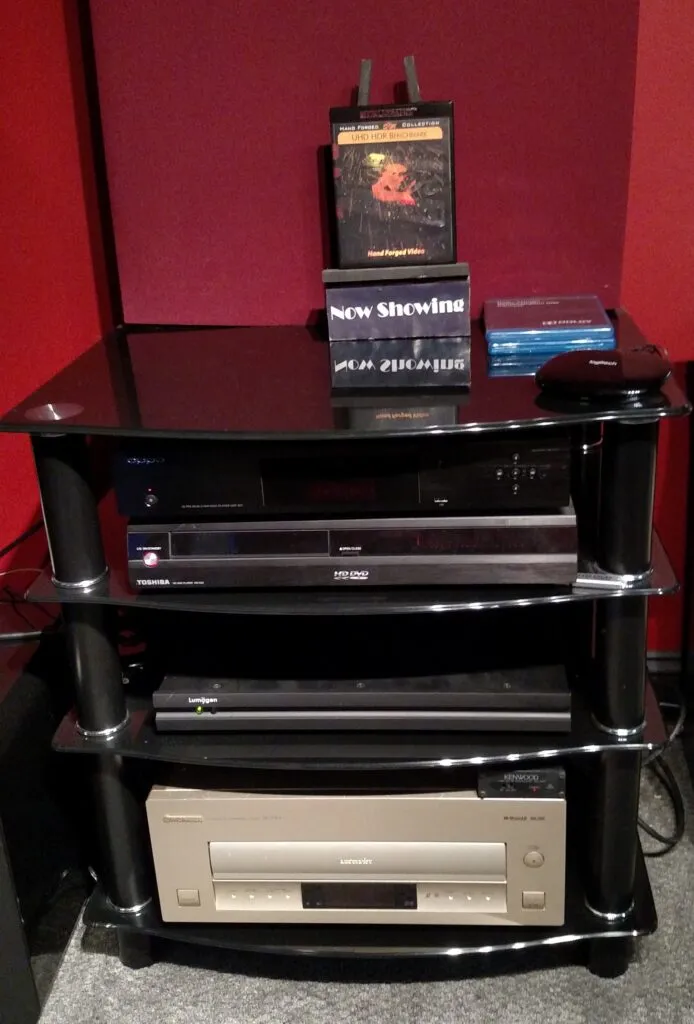
The tech industry declared LaserDisc dead in 2001. Nobody told the collectors. We spent time with the passionate, slightly obsessive community keeping 'obsolete' media formats alive — and found out that in the world of physical media, death is a lot more negotiable than the industry would like you to believe.
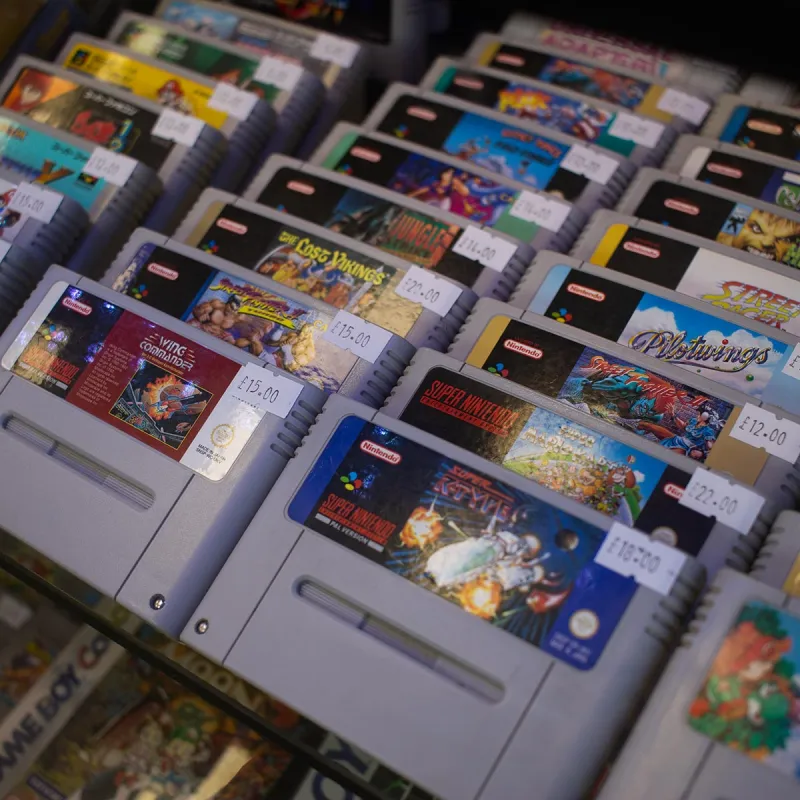
Reproduction cartridges are everywhere — and they're getting harder to distinguish from the real thing. We waded into the gray-market swamp of bootleg carts, flash cartridges, and legally sketchy 'repros' to find out who's making them, who's buying them, and whether authenticity even matters anymore when a real copy of Earthbound costs more than your rent.
Some people are deliberately throttling their internet connections, firing up GeoCities clones, and listening to modem screech on repeat—and they're doing it on purpose. In a world of algorithmic feeds and instant-load everything, the agonizing patience of the 56K era has somehow become an act of digital self-care. We investigated, and we have feelings about it.
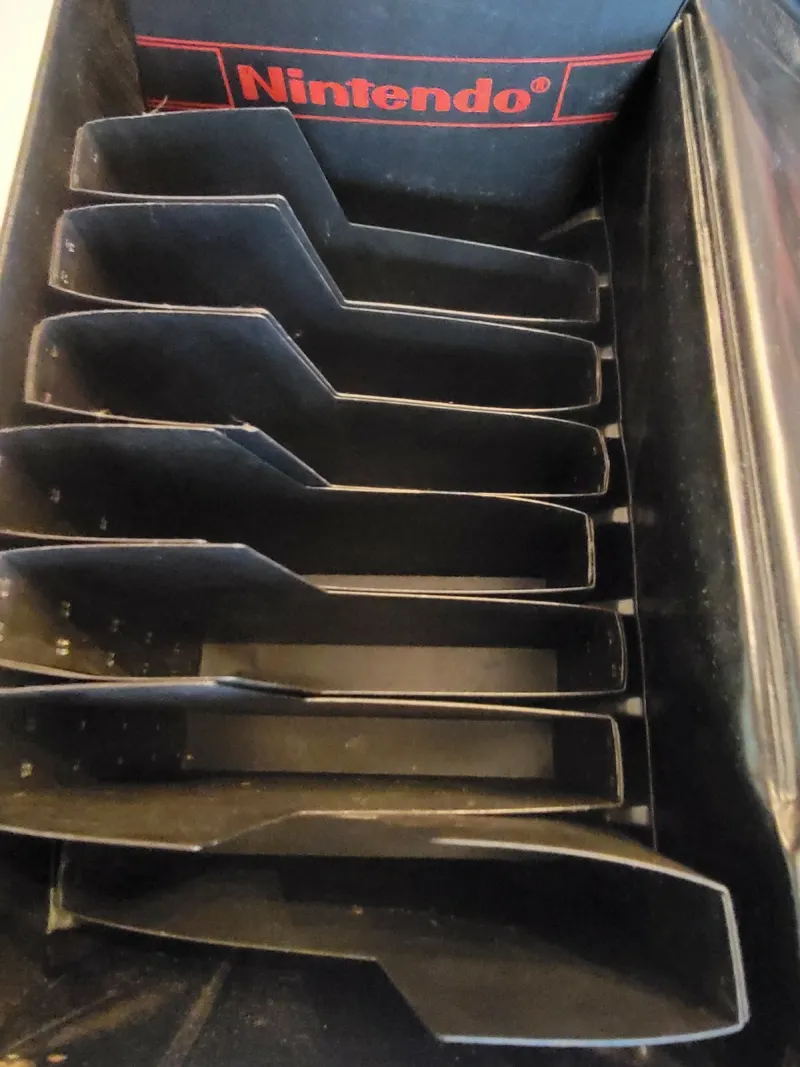
A sealed copy of Stadium Events just sold for more than a starter home in Ohio, and museums are furious about it. When nostalgia becomes a financial instrument, who really gets to decide where gaming history ends up—a climate-controlled archive or a billionaire's display case? We went down the rabbit hole so you don't have to.
There is exactly one Blockbuster left on Earth, and it's in Bend, Oregon, and people make pilgrimages to it like it's a shrine. That probably tells you everything you need to know about how we feel about what we lost when video rental culture died—and what the streaming era, for all its convenience, has never managed to replace.
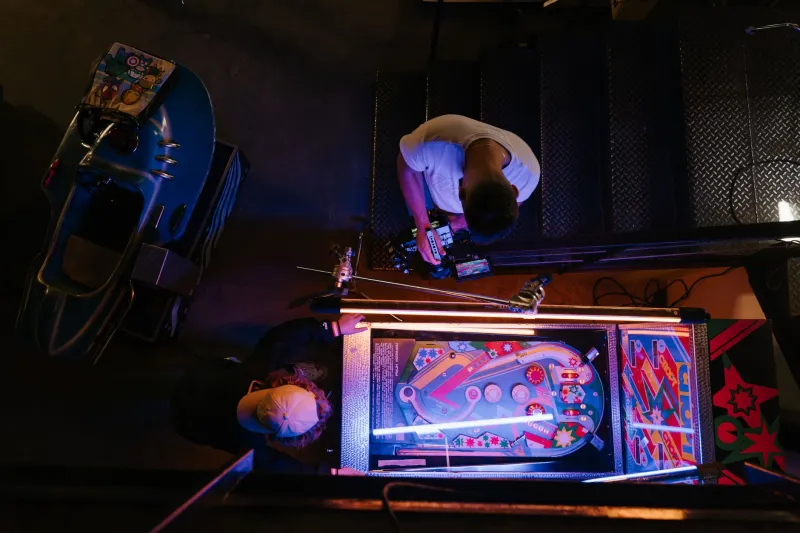
The American arcade was supposed to be dead. Then someone bolted a cocktail cabinet to a bar, slapped a neon sign out front, and suddenly there was a line around the block on a Tuesday. What's behind the explosive resurrection of communal retro gaming spaces—and why does playing Galaga with strangers feel more important than ever?
Somewhere between a ROM download and a cease-and-desist letter lies one of the most genuinely complicated debates in digital culture: who owns the past? Game preservation advocates say history is slipping through our fingers while corporate legal teams sharpen their swords. The future of retro gaming's entire archive may depend on how this plays out.