Slow Leak, Silent Killer: The Battery Rot Quietly Destroying Your Vintage Game Boy
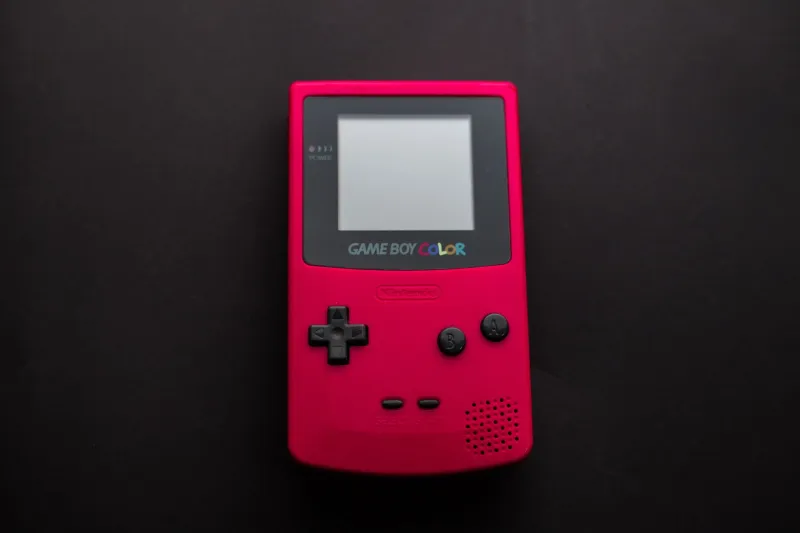
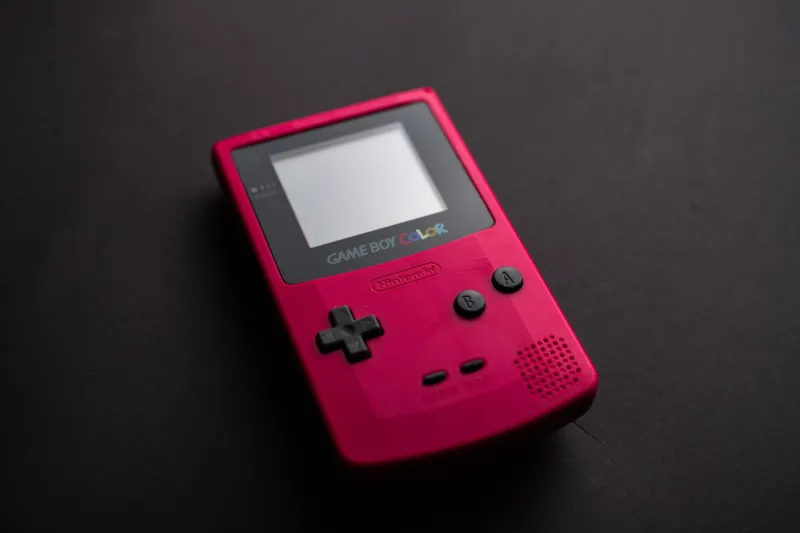
Somewhere in a closet, a shoebox, or a lovingly assembled display shelf, your childhood Game Boy is slowly eating itself alive. The culprit isn't age, dust, or that one time you dropped it down the stairs in 1994. It's the humble AA battery, and its corroded ghost is haunting vintage handhelds across America in ways that would make a grown adult sob into their copy of Pokémon Red.
Welcome to the Great Handheld Battery Crisis — a slow-motion disaster that the retro gaming community has been watching unfold for years, and one that's finally getting the urgent attention it deserves.
The Chemistry of Heartbreak
Here's the thing nobody tells you when you're eight years old and cramming four AAs into a Game Boy Pocket: batteries are essentially controlled chemical reactions in a tube, and they do not age gracefully. Alkaline batteries — the Duracells, Energizers, and off-brand drugstore specials that powered a generation of handheld gaming — contain a potassium hydroxide electrolyte. When a battery discharges fully and keeps trying to push current anyway (which happens when you forget to take batteries out of a device you're "definitely going to play again soon"), that potassium hydroxide starts venting as a gas. That gas corrodes the metal contacts. Then it becomes a white, chalky, caustic paste that spreads.
And spreads. And spreads.
In a device that's been sitting untouched since 2001, that paste has had over two decades to work its way from the battery compartment onto the circuit board, where it quietly eats through copper traces, corrodes solder joints, and turns a perfectly functional piece of gaming history into an expensive paperweight. The damage isn't always visible from the outside, which makes it even more insidious. You pick up grandma's old Game Boy Color at an estate sale, the battery compartment looks a little crusty, you think "no big deal," and then you spend the next six weekends trying to figure out why it won't power on.
Real Damage, Real Tears
Ask anyone deep in the retro collecting scene and they'll have a horror story. Marcus, a collector based in Portland, Oregon, describes pulling a near-mint original Game Boy out of its original box — the original box — only to find that a set of batteries left inside since roughly the Clinton administration had detonated all over the board. "The corrosion had traveled under the screen ribbon connector," he says. "The board looked like someone had sneezed white mold on it. I actually put it down and walked away for a day."
He eventually restored it — we'll get to that — but the point stands. These aren't isolated incidents. Browse any retro gaming subreddit, Discord server, or Facebook group and you'll find dozens of posts a week from people discovering the same creeping devastation. Game Boy Advances. Game Boy Colors. Atari Lynxes. Sega Game Gears. The Neo Geo Pocket. No handheld from the pre-rechargeable-battery era is immune.
The Game Gear actually has a particularly grim reputation. Sega's chunky, power-hungry 1990 handheld required six AA batteries for roughly three to five hours of play, which meant it ate through batteries faster than a smoke detector with anxiety. The result? A massive percentage of surviving Game Gears have corroded battery compartments, and the boards are notoriously sensitive to that damage. Restoration techs sometimes describe opening a Game Gear as "an act of faith."
So Can You Fix It?
Good news: yes, often. Better news: the retro restoration community has turned battery corrosion repair into a legitimate craft. The basic approach involves isopropyl alcohol (90% or higher — the 70% stuff from CVS is for cleaning cuts, not circuit boards), cotton swabs, soft brushes, and patience that borders on monastic. Neutralizing the alkaline corrosion with a mild acid — white vinegar works — can help break down the deposits before you scrub. The goal is to remove the white crust without further damaging the delicate copper traces underneath.
When traces are already damaged, it gets more involved. Skilled restorers use conductive silver epoxy or fine wire to bridge broken traces, essentially rewiring sections of the board by hand under magnification. It's painstaking, fiddly work, and there's no guarantee of success. Some boards are simply too far gone. But the success stories are genuinely impressive — people bringing back devices that looked like complete write-offs.
The Permanent Fix: Ripping Out the Problem at the Root
The more forward-thinking solution gaining serious traction in the community is conversion — ripping out the battery compartment entirely and replacing it with a rechargeable lithium battery pack paired with a USB-C charging port. This isn't a new idea, but the quality and accessibility of these mods has improved dramatically in recent years. Companies like RetroSix and various independent makers on Etsy and Tindie now sell drop-in battery replacement kits designed specifically for Game Boys, Game Boy Colors, and Advances that require minimal soldering skill.
The appeal is obvious: lithium batteries don't leak under normal use, USB-C charging is universal and convenient, and you never have to worry about a forgotten set of AAs quietly nuking your board again. Some purists bristle at the modification, arguing that it compromises originality. That's a fair perspective, especially for collectors focused on preservation in the strictest sense. But for people who actually want to use their handhelds — to play Tetris on a lunch break or revisit The Legend of Zelda: Oracle of Ages on a lazy Sunday — a USB-C Game Boy is a genuinely practical and elegant solution.
The Preservation Imperative
There's a broader conversation happening here that goes beyond individual collectors and their shoebox treasures. The original Game Boy launched in 1989. The Game Boy Advance SP — arguably the peak of Nintendo's pre-DS handheld line — came out in 2003. That's a lot of hardware quietly aging in storage, and the window for rescuing corroded units is narrowing with every passing year. Severe enough damage becomes irreversible. The more time passes, the more of this history simply disappears.
Museums and preservation organizations like the Video Game History Foundation have been vocal about the urgency of documenting and maintaining vintage hardware, but the real frontline of this effort is happening in garages and home workshops across the country, where hobbyists armed with flux, tweezers, and YouTube tutorials are doing the unglamorous work of keeping these machines alive.
So here's the ask: go check your old handhelds. Right now. Pull them out of wherever they've been living since the early 2000s and pop open the battery compartment. If you see white powder, green corrosion, or anything that looks like a science experiment gone wrong, don't panic — but don't ignore it either. The restoration community is large, welcoming, and full of people who have seen worse and fixed it anyway.
Your Game Boy survived your childhood. With a little help, it can survive a few more decades too.