Pixel Glow-Up: The Obsessive, Expensive, and Totally Worth It World of Game Boy Screen Mods
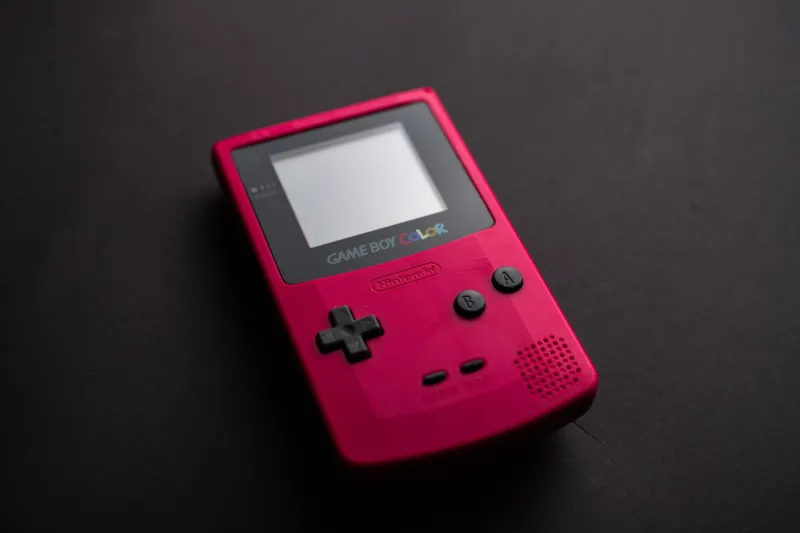
Somewhere in America right now, a grown adult is hunched over a workbench, soldering iron in hand, carefully installing a backlit IPS display into a 30-year-old Game Boy — and they couldn't be happier about it. The aftermarket Game Boy modification scene has exploded into a full-blown hobby economy, with enthusiasts spending anywhere from $80 to $300 to breathe new life into Nintendo's iconic handheld. And honestly? We get it entirely.
But let's pump the brakes for a second. Why, exactly, are millennials and Gen Xers willingly spending what amounts to a car payment's worth of disposable income to play Tetris and Pokémon Red on upgraded hardware that Nintendo stopped manufacturing decades ago? The answer, it turns out, is equal parts nostalgia, engineering pride, and the very human refusal to let good things stay broken.
The Original Sin: That Wretched Stock Screen
If you owned an original Game Boy — the big gray brick Nintendo launched in 1989 — you already know the dirty secret that no amount of rose-colored nostalgia can fully obscure: the screen was terrible. No backlight. A greenish tint that looked like you were gaming through a murky fish tank. Motion blur so aggressive that fast-moving sprites turned into smeared impressionist paintings. Playing in anything less than direct sunlight meant squinting so hard you risked permanent facial damage.
The Game Boy Color and Game Boy Advance improved things incrementally, but the GBA's launch model still shipped without a backlight in 2001 — a decision so baffling that Nintendo essentially admitted the mistake by releasing the Game Boy Advance SP just two years later with a front-lit (and eventually back-lit) screen. The damage, however, was done. Millions of handhelds had already shipped with screens that made gaming feel like a punishment.
This is the original wound that today's modding community is determined to heal.
Enter the Modders: A New Generation of Handheld Surgeons
The modern Game Boy mod scene didn't materialize overnight. It grew slowly through forums, YouTube tutorials, and online marketplaces like Etsy and AliExpress throughout the early 2010s, then absolutely detonated in popularity post-2020. A combination of pandemic boredom, newfound appreciation for retro gaming, and a steady improvement in aftermarket display technology created the perfect storm.
Today's most popular upgrades center on IPS (In-Plane Switching) LCD panels — the same display technology found in high-end computer monitors — custom-cut to fit original Game Boy shells. These panels offer vibrant colors, sharp contrast, and wide viewing angles that make the original hardware look like a different device entirely. Some modders have gone even further, experimenting with OLED panels salvaged from smartwatches and other small electronics, chasing even deeper blacks and punchier colors.
Retromodding communities on Reddit (particularly r/Gameboy, which boasts hundreds of thousands of members) and Discord servers have become the beating heart of this scene. Members share installation guides, troubleshoot soldering mishaps, and — crucially — show off their finished builds in posts that routinely rack up thousands of upvotes. There's a genuine craft culture here, complete with the pride of workmanship you'd find in any maker community.
What Does $200 Actually Buy You?
Let's talk numbers, because this is where things get interesting. A beat-up original Game Boy from eBay might run you $20-$60 depending on condition. A quality IPS screen kit from a reputable supplier like Funnyplaying or RetroSix will set you back another $40-$80. Add a new shell (because why not go full custom while you're in there?), a rechargeable lithium battery mod, new buttons, and a speaker upgrade, and you're looking at a total investment that can comfortably exceed $200 before you've bought a single game.
For that price, you could buy a Nintendo Switch Lite and play modern games with modern graphics. The market knows this. The modders know this. Nobody cares.
"It's not really about the games," explains the logic that you'll hear repeated across forums and comment sections. "It's about this specific object and what it means." The Game Boy isn't just a gaming device to these folks — it's a physical artifact of childhood, a time machine with a D-pad. Upgrading it isn't about chasing the cheapest path to Tetris; it's about honoring a relationship.
The Technical Evolution: From Backlight Hacks to Full Display Transplants
Early Game Boy modders worked with what they had, and what they had was deeply janky. The first backlight mods involved literally stripping the original reflective layer from the stock screen and gluing an electroluminescent panel behind it — a process that required a steady hand, a lot of patience, and a high tolerance for imperfection. Results were uneven at best.
The real turning point came when Chinese manufacturers began producing purpose-built IPS replacement kits designed specifically for Game Boy form factors. Suddenly, the technical barrier dropped dramatically. Modern kits come with ribbon cables, mounting brackets, and detailed instructions. Some don't require soldering at all — they're essentially plug-and-play for anyone willing to crack open a shell with a tri-wing screwdriver.
The Game Boy Advance, with its wider screen real estate and larger aftermarket community, has become the most popular canvas for high-end mods. The "IPS V2" kit for the GBA has become something of an industry standard, offering a display so crisp and colorful that screenshots of modded units regularly get mistaken for emulator footage.
OLED conversions remain the frontier — rarer, more expensive, and more technically demanding, but producing results that make even IPS screens look pedestrian by comparison.
What This Trend Really Tells Us
Zoom out from the soldering stations and the screen tear-downs, and the Game Boy modding scene starts to look like something more philosophically interesting than a niche hobby. It's a generation of people who grew up being told that old things should be replaced, not repaired, quietly pushing back against that narrative with a screwdriver and some flux.
There's also something quietly rebellious about investing serious craft and money into hardware that the market has written off. Nintendo itself has shown little interest in officially revisiting the Game Boy legacy beyond occasional anniversary acknowledgments. The modding community has essentially decided to be the custodians that Nintendo won't be.
And then there's the simple, irreducible truth that a fully modded Game Boy Advance — with its glowing IPS screen, rechargeable battery, and custom translucent shell — is genuinely better than anything Nintendo shipped at retail. Not just better for nostalgia. Actually, objectively better as a piece of portable gaming hardware for playing those specific games.
So yeah. People are spending $200 to play Tetris in color on a device from 1989. And honestly, look at the world we're living in. Can you blame them?
Got a modded Game Boy build you're proud of? Drop us a photo in the comments. We promise we'll be appropriately jealous.